
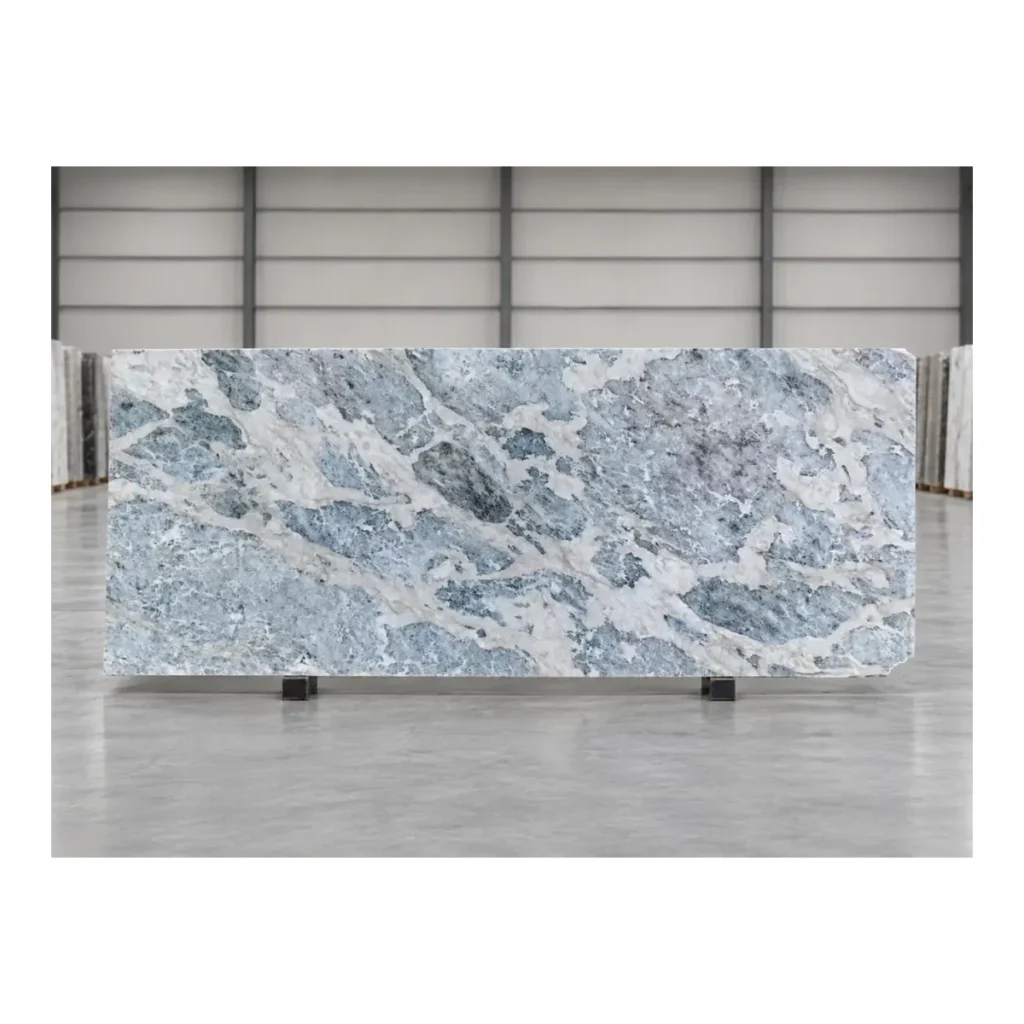
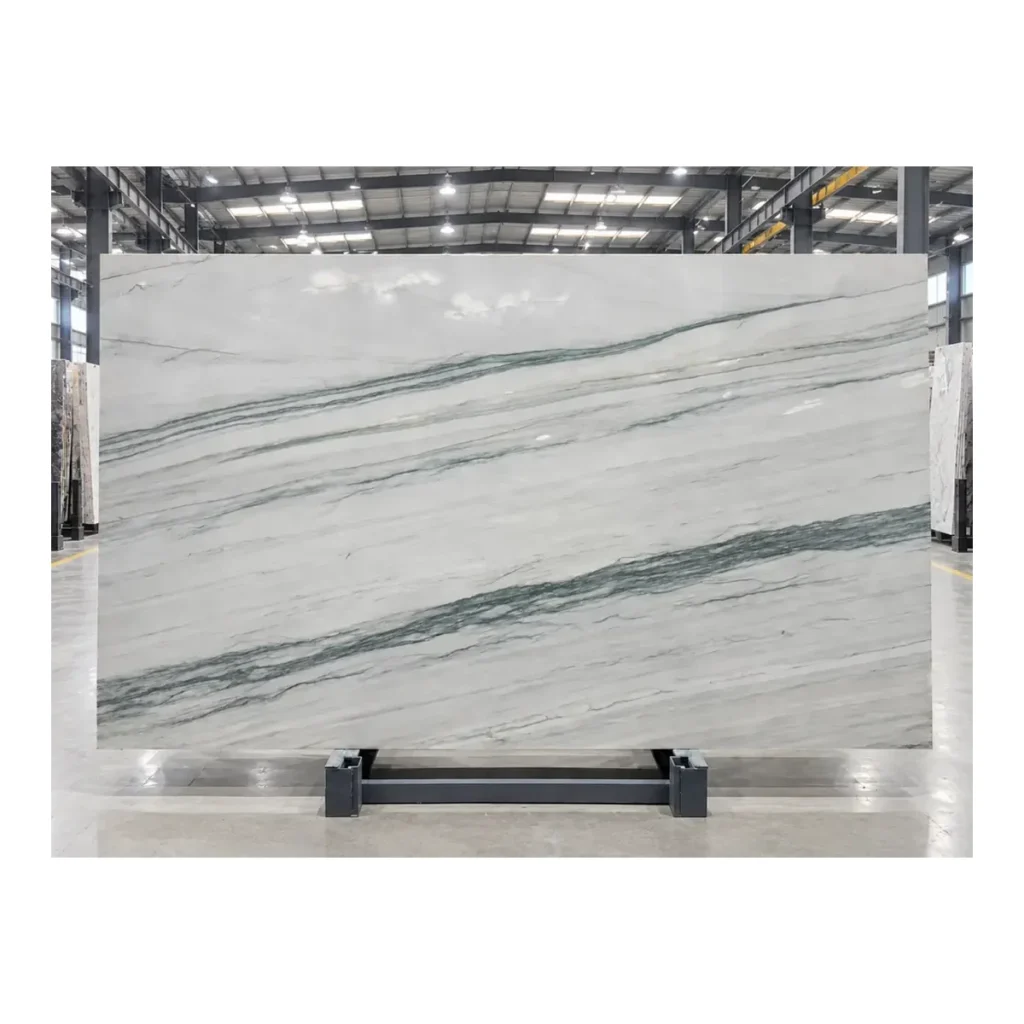
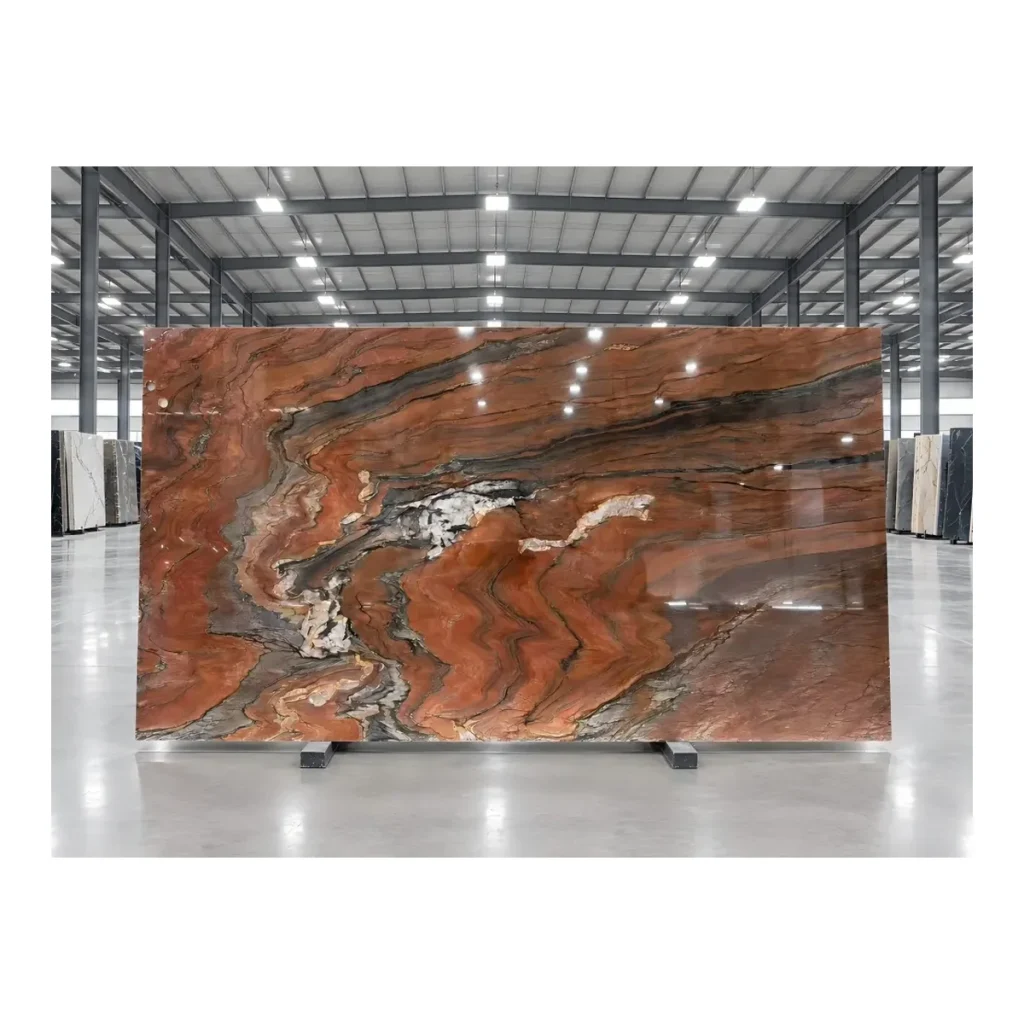
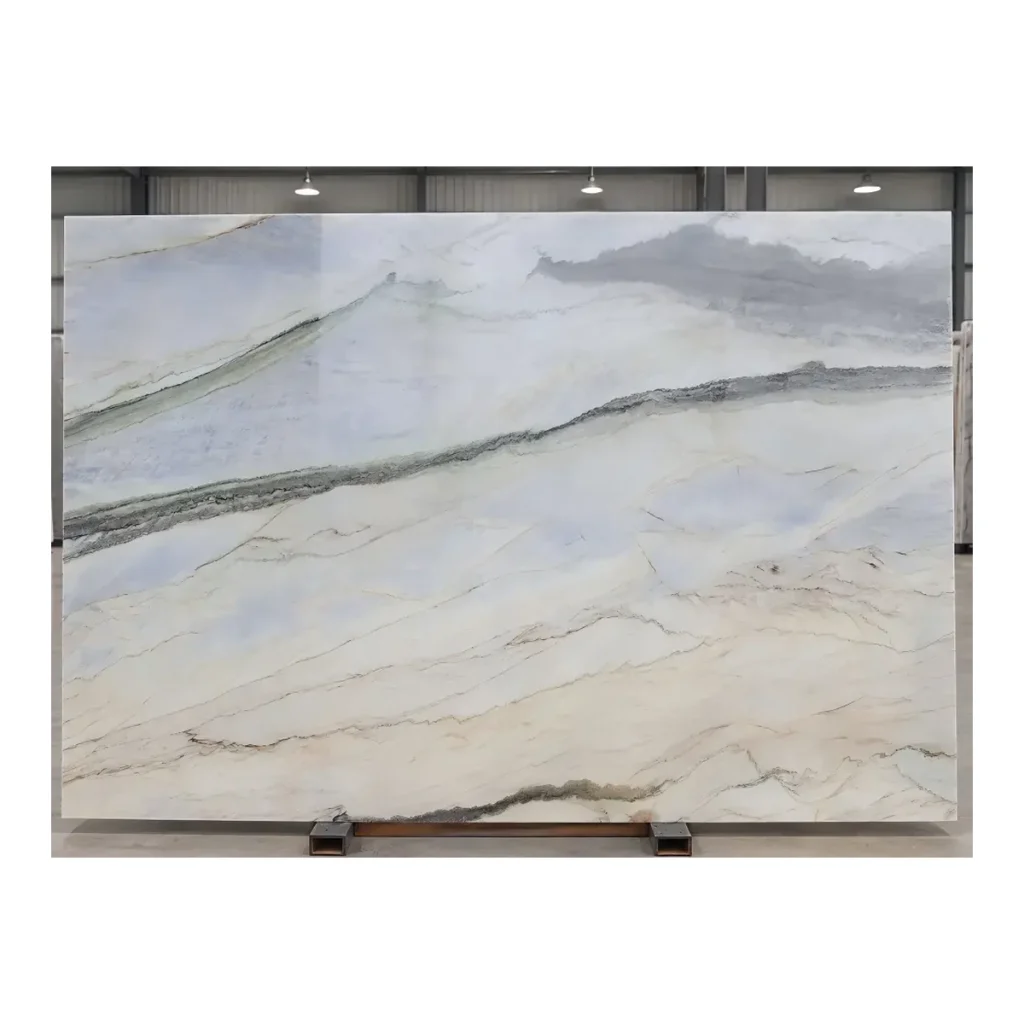
The Material Character Buyers Are Selecting
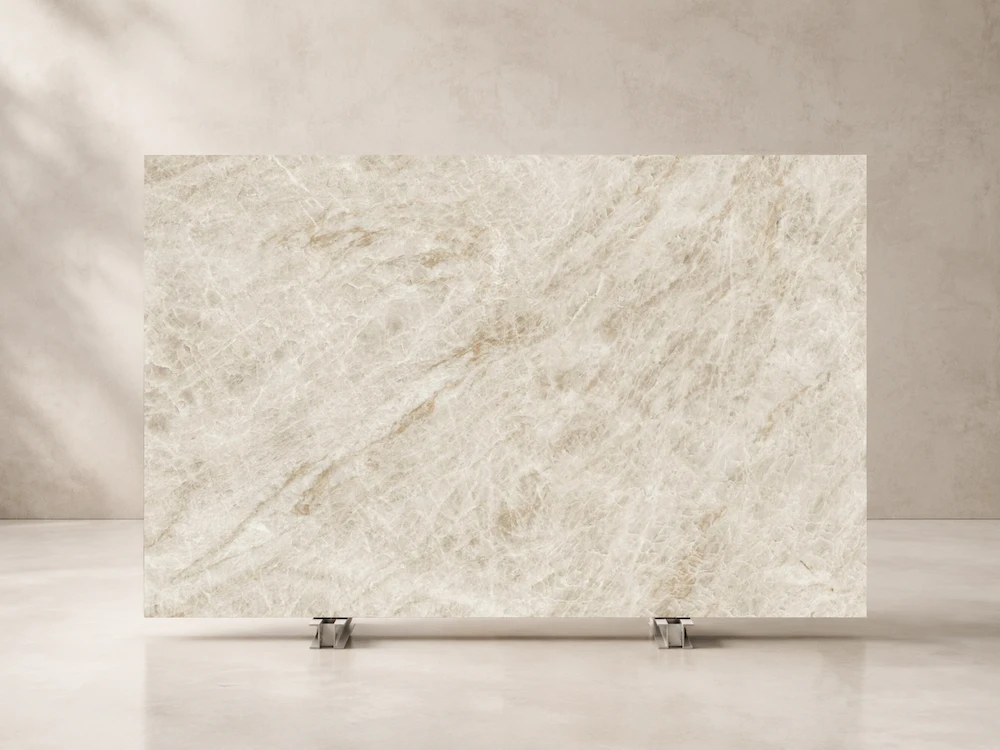
Taj Mahal Quartzite is known for a warm cream-to-beige field with restrained taupe, sand and soft gold movement, giving kitchens a quieter luxury than high-contrast white marble.
Background warmth varies between slabs and bundles, so the selected material should be compared with cabinet paint, timber, flooring and metal samples under the final lighting.
Supply and Project Parameters
| Material Family | Natural Quartzite |
|---|---|
| Visual Selection | Approve actual slabs, acceptable variation, orientation and allocation by finished component. |
| Supply Scope | Slab supply, cut-to-size work and project fabrication are available subject to current stock and approved drawings. |
| Finish and Thickness | Confirm against the selected batch, service conditions and control sample before production. |
| Quality Records | Marked layouts, dimensional inspection, surface review, piece labels, dry-fit records where specified and packing photographs. |
Material Character Beyond the Available Photograph
Long islands benefit from broad calm areas, but the strongest diagonal line should still be positioned before sink, hob and seam locations are fixed.
Trade-name geology and performance claims can vary; buyers should confirm the actual batch, available test information and intended use instead of relying on the Taj Mahal name alone.
Large cutouts, overhangs and narrow rails require support and reinforcement review even when quartzite is chosen for its practical reputation.
Application and Finish Boundaries
Moisture, resin, mesh, sealing products and installation materials can affect pale stone appearance, making clean handling and compatible systems important.
A polished surface emphasizes creamy depth, while honed or leathered finishes can soften the movement and alter color saturation; approve the finish on representative stock.
For coordinated kitchens and bathrooms, grade slabs by undertone and vein density, then reserve connected pieces before smaller components consume matching areas.
Project Risks to Resolve Before Purchase
Selection Risk
Large cutouts, overhangs and narrow rails require support and reinforcement review even when quartzite is chosen for its practical reputation.
Fabrication Risk
Moisture, resin, mesh, sealing products and installation materials can affect pale stone appearance, making clean handling and compatible systems important.
Installation and Care Risk
A polished surface emphasizes creamy depth, while honed or leathered finishes can soften the movement and alter color saturation; approve the finish on representative stock.
Application-Led Buying Logic
Choose the slab area and production method against the finished drawing, then document the visual range and inspection point before cutting.
Choose the slab area and production method against the finished drawing, then document the visual range and inspection point before cutting.
Choose the slab area and production method against the finished drawing, then document the visual range and inspection point before cutting.
Fabrication and Commercial Coordination
For coordinated kitchens and bathrooms, grade slabs by undertone and vein density, then reserve connected pieces before smaller components consume matching areas.
A quotation for Taj Mahal Slab should state whether it covers slabs only, cut pieces or a complete fabrication package. Drawings must identify dimensions, visible faces, cutouts, edges, seams, support, tolerances and piece marks. Where components connect, the buyer should approve their relationship as one composition rather than as unrelated parts.
Before export, compare finished work with the approved drawings and natural-stone range. Record dimensions, surface condition, edges, holes, quantity and labels. Packing should follow the receiving sequence where practical and use suitable reinforced crates or frames, moisture protection, clear shipping marks and a detailed packing list.
Material-Specific Review Before Order Release
Export orders should identify slab numbers, finished drawings, edge profiles, cutouts, inspection points and crate sequence so the calm visual range survives fabrication and installation.
Taj Mahal is best purchased through actual slab approval because a small beige sample cannot show full-slab movement, usable outline or the relationship between quiet and veined zones.
For Taj Mahal Slab, convert these visual and technical observations into a signed approval record. State which slab areas are preferred, which natural features are acceptable, where connected pieces must align, and which checks require buyer or third-party confirmation before packing.
Receiving and Installation Handover
Taj Mahal Quartzite is known for a warm cream-to-beige field with restrained taupe, sand and soft gold movement, giving kitchens a quieter luxury than high-contrast white marble.
Use the packing list and piece marks to connect every crate with its room, elevation or fabricated component. The receiving team should photograph external condition, verify quantities and store Taj Mahal Slab in a manner appropriate to the finished pieces before installation begins.
Evidence Required When Visual References Are Limited
When only a small number of Taj Mahal Slab images is available, do not treat one photograph as confirmation of the complete stock range. Request the current slab face, reverse side where relevant, dimensions, thickness, finish, repaired or reinforced areas, usable outline and available quantity. Ask for neutral-light images that show the full surface as well as close details.
| Design Evidence | Full-slab images, scale references, orientation and the intended crop for focal pieces. |
|---|---|
| Technical Evidence | Dimensions, thickness, finish, reinforcement, cutout zones, edge feasibility and support assumptions. |
| Commercial Evidence | Reserved slab IDs, quoted scope, quantity, allowance, schedule, inspection responsibility and delivery terms. |
| Shipment Evidence | Piece labels, dimension records, packing photographs, crate list, marks and loading confirmation. |
This evidence turns a visual enquiry into a purchase decision that the factory and buyer can both verify.
Decision Gate Before Deposit and Production
Before a deposit is linked to Taj Mahal Slab, the quotation should identify whether the material is reserved, whether the photographed slab is the slab being sold, and how long the reservation remains valid. The buyer should also know which observations are visual characteristics of natural stone and which conditions require repair, reinforcement or exclusion from the cutting outline.
Production release is a separate decision. It should occur only after the fabricator receives final dimensions, confirms usable yield, reviews all cutouts and support conditions, and issues a marked layout for approval. If replacement material would be difficult to source, decide the spare-piece or contingency allowance before the main slab is consumed.
For export work, connect commercial milestones with evidence: slab confirmation before deposit, layout approval before cutting, dimensional and surface records before packing, and crate or loading photographs before shipment. This sequence gives both parties a practical audit trail.
JOAN STONE · Material-to-Shipment Support
How JOAN STONE Supports Taj Mahal Slab Orders
For international orders, JOAN STONE treats the selected material, cutting information, inspection evidence and shipping preparation as one connected approval process. For this material, buyer review should cover full-face appearance, usable yield, finish, dimensions, fabrication interfaces and installation conditions before production is released.
First-hand evidence on this page: This page currently contains one linked product image. It supports material identification, but it is not enough for final selection; request current full-face, close-up and dimensional confirmation before ordering.
- 01Actual Material Review
Coordinate current slab or panel photographs, close-up details, dimensions and selection notes for the pieces being considered.
- 02Layout & Drawing Coordination
Review orientation, seams, sizes, thickness, edges, openings and the intended crop before the material is committed to cutting.
- 03Fabrication & Inspection
Support cut-to-size work or finished components, then coordinate surface, dimension, label and packing checks according to the approved scope.
- 04Export Handling
Coordinate packing review, export documents, container loading communication and shipment follow-up for international orders when required.
For a workable quotation: send the application, drawings or required sizes, quantity, preferred finish, edge and cutout details, destination, target schedule, packing needs and inspection expectations.
FAQ for B2B Stone Buyers
Can I approve the actual Taj Mahal Slab slabs?
Yes. Taj Mahal Quartzite is known for a warm cream-to-beige field with restrained taupe, sand and soft gold movement, giving kitchens a quieter luxury than high-contrast white marble. Current slab photographs, dimensions and selection details can be reviewed before fabrication.
What should be included in a quotation for Taj Mahal Slab?
Send drawings or finished sizes, quantities, thickness, finish, edge details, cutouts, visible sides, destination, schedule, inspection requirements and packing standards.
How should natural variation in Taj Mahal Slab be controlled?
Use identified slabs and a written acceptable range. Background warmth varies between slabs and bundles, so the selected material should be compared with cabinet paint, timber, flooring and metal samples under the final lighting.
What must be approved before cutting Taj Mahal Slab?
Confirm slab IDs, usable areas, orientation, seams, cutouts, mitres, support and the marked layout. Moisture, resin, mesh, sealing products and installation materials can affect pale stone appearance, making clean handling and compatible systems important.
How is Taj Mahal Slab prepared for international delivery?
Finished pieces can be dimensionally checked, labeled and photographed before packing. Crate design, sequence, moisture protection and shipping marks should follow the agreed product and route requirements.
Final Note / Practical Takeaway
Taj Mahal Slab should be purchased against identified slabs, a drawing-based cutting plan and written inspection criteria. This protects the material composition, usable yield, fabrication schedule and installation sequence.